

Food grade High Temp Ceramic lubricant CERA18
Ceramic-based high-temperature food-grade lubricant designed for extreme heat applications in food processing with superior thermal stability.
Industry Applications:
Key Features
Applications
Served Industries
Technical Data Sheet
Typical technical characteristics and operating guidance for Food grade High Temp Ceramic lubricant CERA18.
| Property | Test Method | Typical Value |
|---|---|---|
| Operating Temperature | — | -40°C to +300°C (two-stage: synthetic base / ceramic solid film) |
| Base | — | Synthetic + ceramic particles |
| Appearance | Visual | Gray paste |
| NLGI Grade | ASTM D217 | 0/1 |
| Four-Ball EP | ASTM D2596 | >350 kgf |
The synthetic base lubricates at normal food-plant temperatures; as it reaches its limit the ceramic particles form a dry film that continues to protect sliding surfaces up to 300°C.
Operating Parameters
Temperature Range
-40°C to +300°C continuous (ceramic dry film above base limit)
Viscosity Grade
Refer to data sheet
Service Life
Condition dependent
CERA18 relies on a synthetic base for everyday lubrication and on ceramic particles once that base reaches its thermal limit. The two-stage mechanism keeps the lubricating film in place in ovens, fryer lines and other high-heat food processes.
Frequently Asked Question
Is CERA18 suitable for food-processing equipment above 200°C?
Yes, within its rated range. CERA18 combines a synthetic base with ceramic particles: the base lubricates at normal processing temperatures and the ceramic phase forms a dry film as it reaches its limit, maintaining lubrication up to 300°C.
Consistent Performance
Formulations are developed for stable viscosity, wear protection and contamination control across the stated operating range.
Optimized Formulation
Engineered for stable film strength and anti-wear performance, supporting longer service intervals where operating conditions and oil analysis allow.
Quality Assured
Manufactured under ISO 9001:2015 quality management system with full batch traceability and certificate of analysis.
Application Guide
Step-by-step instructions for optimal use of Food grade High Temp Ceramic lubricant CERA18 in Food & Pharma applications.
Preparation
Ensure the application surface is clean, dry, and free from contaminants. Remove any existing lubricant residues using appropriate cleaning agents. For Food processing ovens applications, verify equipment is at operating temperature.
Application Method
Apply Food grade High Temp Ceramic lubricant CERA18 using standard industrial equipment. For grease products, use automatic lubrication systems or manual grease guns. For liquid lubricants, ensure proper filling procedures and avoid contamination during transfer.
Recommended Dosage
Follow OEM recommendations for fill quantities. For Food & Pharma applications, typical re-lubrication intervals range from 1,000 to 5,000 operating hours depending on conditions. Monitor performance and adjust intervals based on actual operating parameters.
Performance Monitoring
Regularly inspect lubricant condition and equipment performance. Check for signs of degradation, contamination, or unusual wear. Schedule oil analysis every 6 months for critical applications to optimize maintenance intervals.
Storage Recommendations
- Store in a cool, dry place between 5°C and 35°C
- Keep containers sealed when not in use
- Avoid direct sunlight and moisture exposure
- Shelf life: 5 years from manufacture date when stored properly
Safety Information
- Refer to Safety Data Sheet (SDS) before use
- Use appropriate PPE: gloves and safety glasses
- Ensure adequate ventilation in application area
- Dispose of used lubricant according to local regulations
Related Products
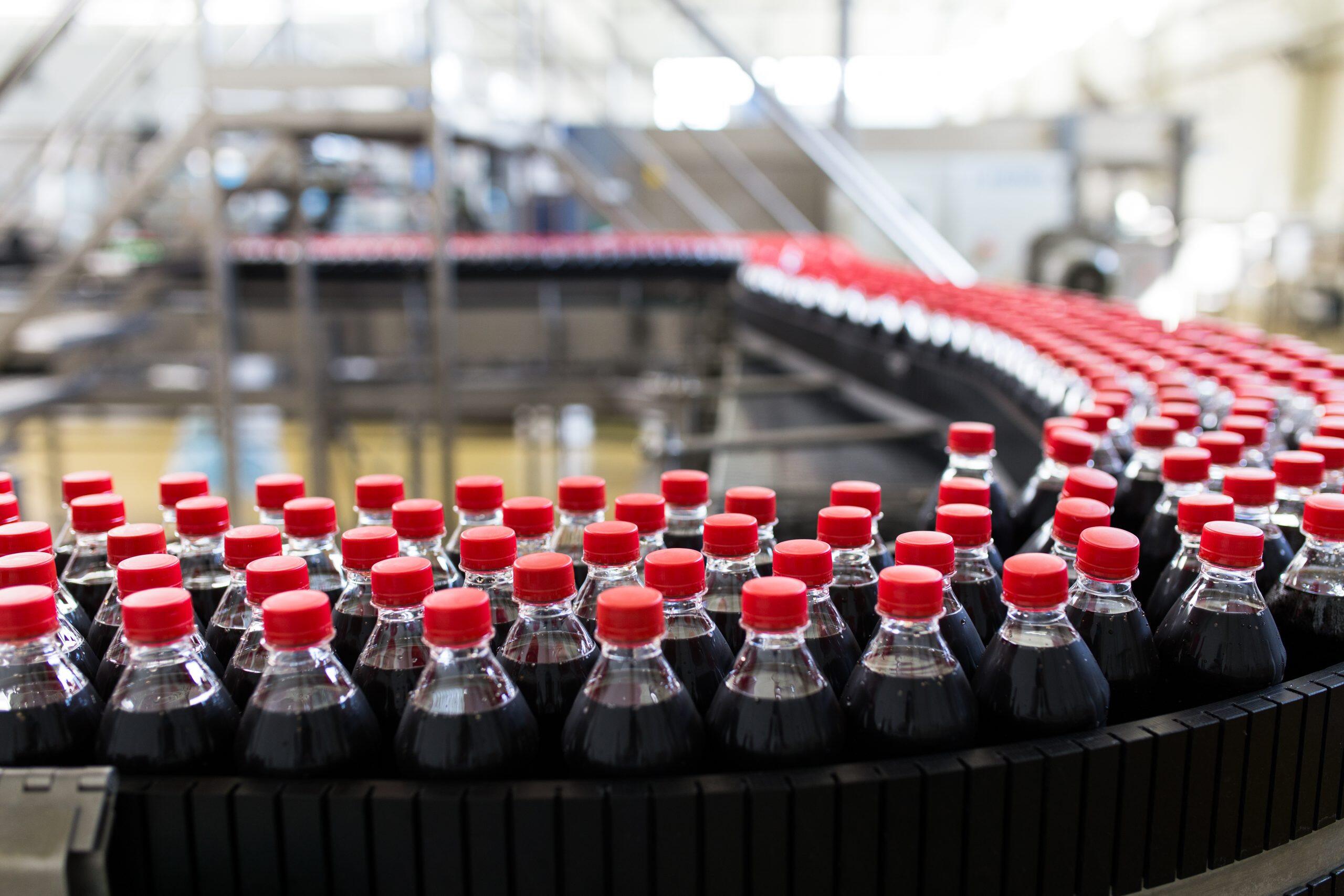
Food Grade Lubricant FG-1
Food-grade lubricant specifically formulated for incidental contact with food products.
Silicone Grease S260
Premium silicone grease providing excellent dielectric properties and water resistance for electrical applications.
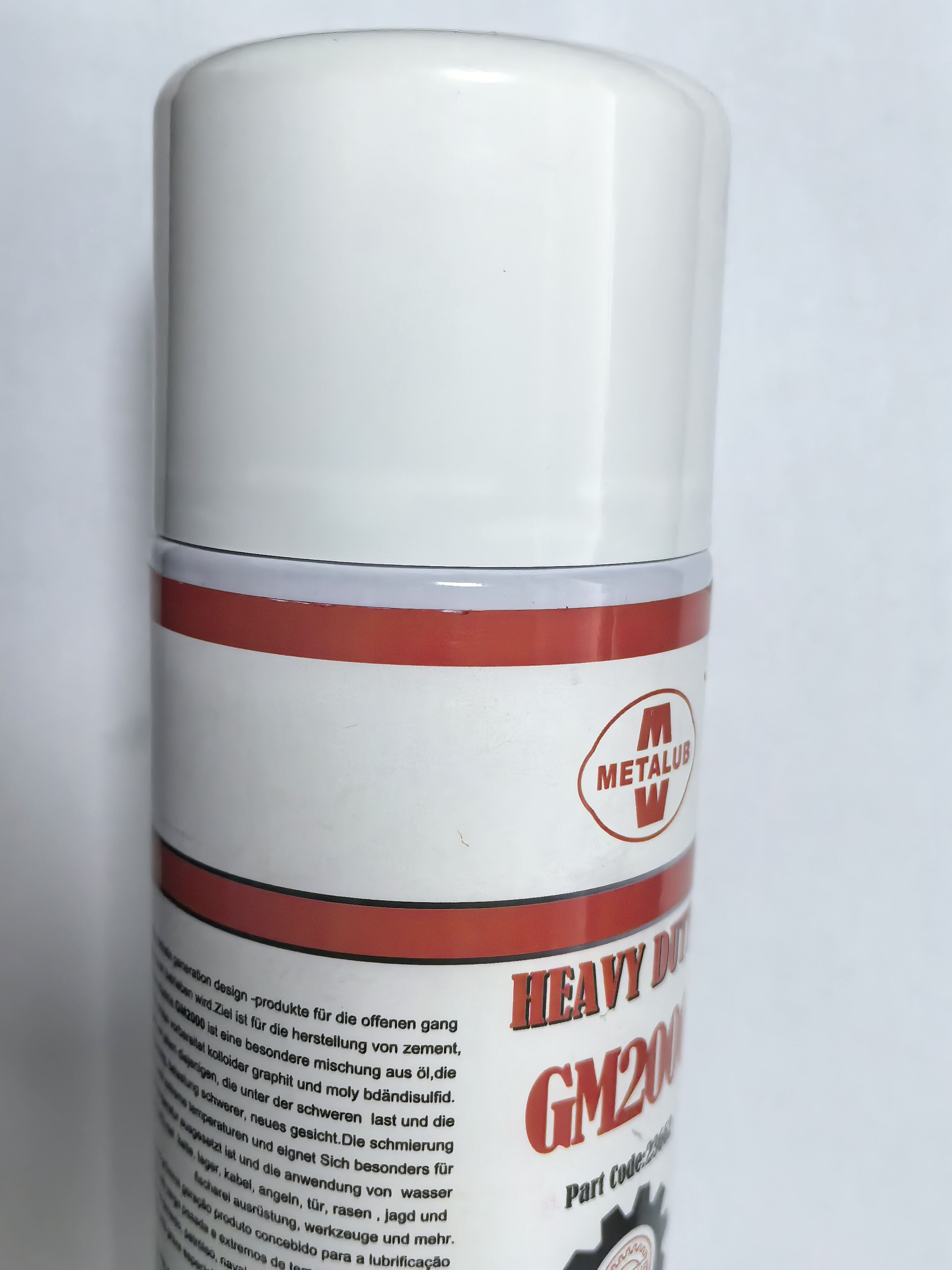
PTFE Spray Lubricant PTFE-200
Dry PTFE spray lubricant providing long-lasting lubrication without attracting dust or dirt.